
There is something different about hearing an author talk about their book rather than simply reading about it.
You get to hear the experiences that shaped the story, understand what motivated the author to write it, and learn more about the message they hope readers will take away. For Christian authors, these conversations can be especially meaningful. A book about faith, personal growth, biblical principles, or a personal testimony often has a story behind it that deserves to be heard.
Podcasts offer an opportunity to have those conversations with people who may never have discovered your book otherwise. But getting featured on a podcast is only part of the equation. Knowing which shows to approach, what to talk about, and how to make the most of an interview can make a real difference.
Let’s look at how to use podcasts as part of your Christian book marketing strategy.
Find the Right Audience Before the Right Podcast
It’s easy to assume that the larger the podcast, the better the opportunity. But a show with thousands of listeners isn’t necessarily going to be the best fit for your book.
Start by thinking about the people you actually want to reach. What subjects interest them? What questions might they have? What other conversations or communities are they already part of?
A Christian parenting book, for example, might be a natural fit for a podcast about family and relationships. A faith-based memoir could work well on a show featuring personal testimonies, while a book about biblical leadership might appeal to pastors, ministry leaders, or Christian business owners.
Look beyond podcasts that specifically focus on publishing or writing. Sometimes, the best opportunities come from shows that cover the same topics your book explores.
Spend some time listening to potential podcasts before reaching out. Pay attention to the host’s style, the guests they feature, and the kinds of questions they ask. You want to find a show where your book fits naturally into the conversation, not one where you have to force the connection.
Give Listeners Something to Take Away
One of the biggest mistakes authors can make during an interview is treating it like a book commercial.
Of course, the goal is to generate interest in your book. But listeners are more likely to remember an interview that taught them something, challenged their perspective, or gave them a reason to think more deeply about a subject.
Instead of focusing entirely on what your book contains, think about the ideas behind it. What inspired you to write it? Was there a particular experience that changed your perspective? What do you wish more people understood about the subject?
For Christian authors, this might mean discussing a personal testimony, exploring how Scripture has influenced your life, or sharing lessons learned through a difficult season. A devotional author might talk about developing a consistent prayer life, while a memoir writer could discuss the role faith played in overcoming personal challenges.
These are the kinds of conversations that allow listeners to connect with your experiences while getting a better understanding of your book.
Your book should be part of the conversation, but it shouldn’t have to carry the entire conversation.
Make Yourself an Easy Guest to Book
Podcast hosts are often looking for guests who can bring an interesting perspective to their audience. Your job is to help them see why you would be a good fit.
Start with a short, personalized email. Introduce yourself, share your book, and explain how its subject matter connects with the podcast. If you’ve listened to an episode you particularly enjoyed, mention it. A little familiarity with the show can go a long way.
It also helps to give the host a few ideas to work with. Rather than simply saying you’d love to discuss your book, suggest two or three potential interview topics. These might include the inspiration behind your writing, a particular theme explored in the book, or an experience that shaped your perspective.
Include your author biography, book description, cover image, and links to your website or book page. If you’ve participated in other interviews or speaking engagements, those are worth mentioning, too.
The easier you make it for a host to understand your background and plan an interview, the better.
Prepare for a Conversation, Not a Script
Being invited onto a podcast is exciting, especially if it’s your first time. But even if you’re comfortable talking about your book, it’s worth spending some time preparing.
Start by reviewing the podcast and familiarizing yourself with the host’s interview style. If questions are provided ahead of time, think through your responses. You don’t need to memorize anything, but having a few key points in mind can help you avoid rambling or losing track of what you wanted to say.
It’s also helpful to have a few personal stories ready. Readers and listeners often connect with the experiences behind a book just as much as the subject itself. Think about the moments, challenges, or lessons that help explain why you felt compelled to write it.
If you’re recording remotely, don’t overlook the technical details. Find a quiet space, test your microphone, check your internet connection, and make sure your surroundings are free from distractions. Good audio quality makes the experience better for everyone listening.
Most importantly, don’t feel like you have to deliver perfect answers. A natural conversation is often much more engaging than something that sounds overly rehearsed.
Make Sure Listeners Know Where to Find Your Book
You could have a wonderful interview, but if listeners finish the episode without knowing where to find your book, you’re missing an important opportunity.
Before recording, ask the host whether they include links in their episode descriptions. Have your book page or website ready to share, and make sure the information is current.
Your website should give visitors a clear place to learn about the book, read its description, and find purchasing options. If you have other books, resources, or an author newsletter, you can include those as well.
It’s also worth thinking about how you introduce your book during the interview. Rather than simply mentioning the title, explain who it’s written for and why someone might find it helpful. That gives listeners a better reason to look it up after the episode ends.
Keep the Interview Working for You
A podcast appearance doesn’t have to be a one-time promotional effort. Once the episode is published, there are several ways to get more use out of it.
With permission from the host, share the episode on your social media accounts and include it in your email newsletter. You can also pull short clips, highlight interesting quotes, or add the interview to your author website.
Think about the topics you discussed, too. If a particular conversation resonated with listeners, it might make a great subject for a future blog post or social media series.
And don’t forget to thank the host. Sharing their episode and encouraging your audience to listen is a simple way to show appreciation and maintain the connection for future opportunities.
Over time, these appearances can become part of a larger collection of media features that help introduce both you and your books to new readers.
Let Your Book Start a Conversation
You don’t need a large following or an established media presence to get started with podcast interviews. What you do need is a clear understanding of your book, the audience it was written for, and the conversations you can contribute to.
Start small. Reach out to a few podcasts that genuinely interest you, be thoughtful about the topics you suggest, and give yourself room to become more comfortable behind the microphone.
For Christian authors, a podcast interview can be an opportunity to talk about much more than a book. It can be a chance to share the experiences, lessons, and convictions that brought the book to life. And sometimes, hearing that story directly from the author is what makes someone decide to pick up a copy.
Build Credibility Beyond Your Book
Getting your book in front of readers is one part of the publishing journey. Establishing credibility and earning recognition for your work can help take things a step further.
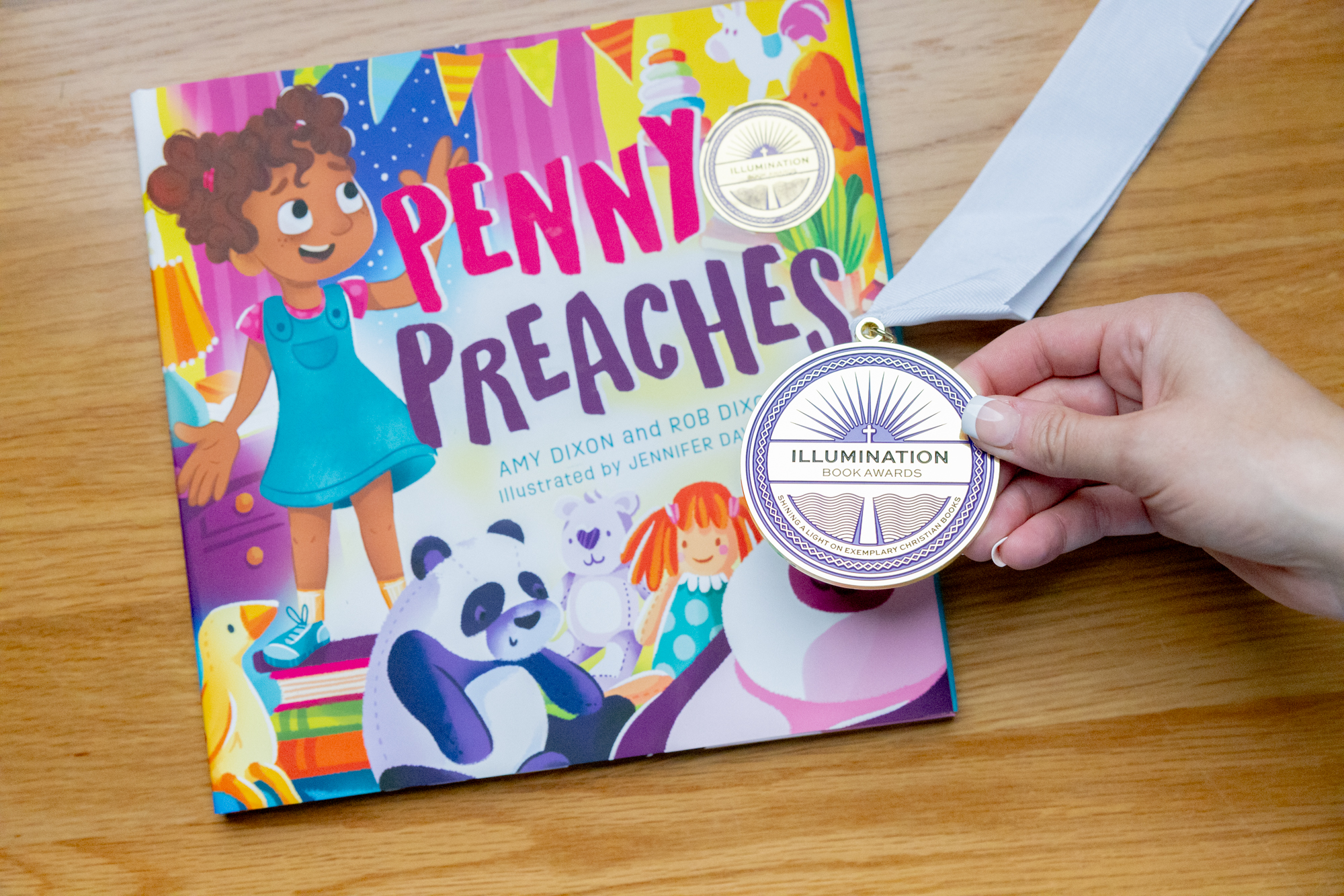
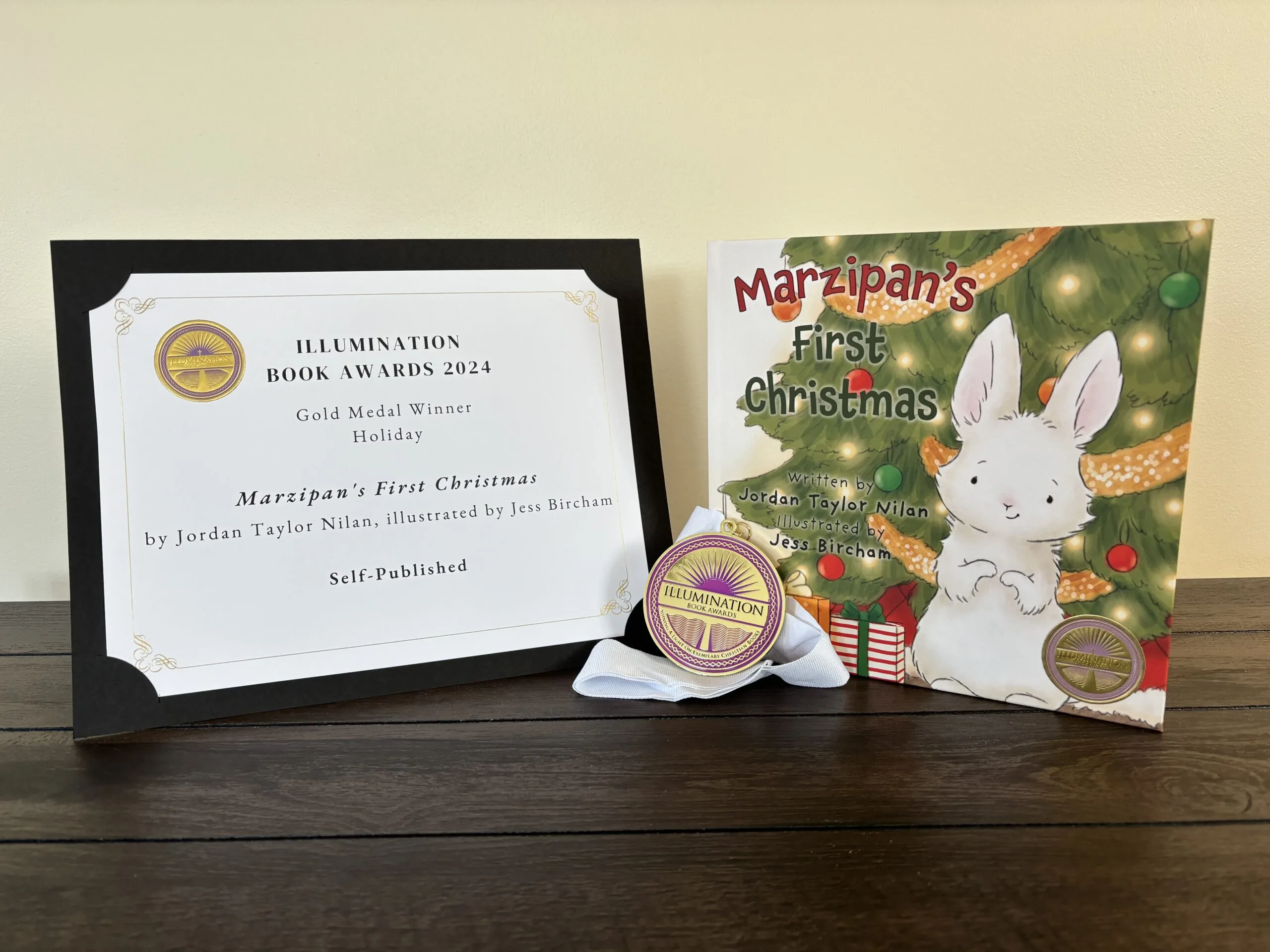
The Illumination Christian Book Awards recognizes outstanding Christian books across a variety of genres and categories. Earning recognition can give your book an additional marketing advantage, provide third-party validation, and create new opportunities for media coverage, interviews, and speaking engagements.
If you’ve written a book that shares a message of faith, hope, encouragement, or spiritual growth, consider entering the Illumination Christian Book Awards. It’s an opportunity to have your work recognized and celebrate the contribution you’re making to Christian publishing.