There’s a difference between wanting to write a book and feeling called to write one.
For many Christian authors, the journey into publishing begins with conviction. A story that won’t let go. A devotional that’s been tested in your own quiet time. A testimony others keep telling you needs to be shared. Eventually, the question becomes unavoidable: How do I actually turn this into a real book?
If you’re new to publishing, the process can feel like stepping into a world filled with unfamiliar terminology and competing advice. But self-publishing a Christian book does not have to be complicated or chaotic. When approached strategically, it can be both empowering and deeply aligned with your mission.
Let’s walk through what to keep in mind when self-publishing a Chrisitan book.
Begin With the Reader in Mind
It’s tempting to jump straight into the logistics like formatting, pricing, and platforms, all the tangible pieces that make a book feel “real.” But the strongest books do not begin with production decisions. They begin with clarity.
Before you move any further, pause and ask yourself, Who specifically needs this message? Not generally. Not broadly. Specifically.
A book written for “everyone” rarely connects deeply with anyone. A devotional for young mothers navigating anxiety will naturally sound different from a leadership book written for Christian entrepreneurs. The stories you tell, the Scriptures you emphasize, the tone you use, and even the eventual cover design should reflect the reader you are trying to reach.
When you take the time to clearly define your audience, your writing becomes more focused and more powerful. You avoid vague language. You make stronger choices. And when it is time to share and market your book, you will not be guessing who it is for because you will already know.
Taking this step early may not feel urgent, but it will save you a tremendous amount of frustration later.
Treat the Manuscript Like a Craft
There is a common misconception that if a message is spiritually meaningful, it does not need refinement. In reality, the opposite is true.
Christian readers value depth, clarity, and integrity. If your book includes biblical teaching, theological perspective, or spiritual guidance, readers expect it to be handled thoughtfully. They are not just looking for inspiration. They are looking for substance. That is why every self-published Christian manuscript should go through three important stages before it is printed or uploaded.
The first stage is developmental editing. This looks at the big picture. Does your message flow logically from chapter to chapter? Are your ideas organized clearly? Is anything repetitive, unclear, or missing? At this stage, you are strengthening the structure and sharpening the core message.
Next comes copyediting. This is where your writing is refined at the sentence level. A copyeditor improves clarity, corrects grammar, ensures consistency with Scripture references, and smooths awkward phrasing. This step helps your book read professionally and cohesively.
Finally, proofreading is the last line of defense before publication. A proofreader catches small but important errors such as typos, punctuation mistakes, formatting inconsistencies, and spacing issues. These details may seem minor, but they can distract readers and undermine credibility if left uncorrected.
Refining your manuscript is not about changing your voice or diluting your passion. It is about strengthening what is already there. When you approach this phase as collaboration rather than criticism, it can transform your manuscript into a polished and trustworthy book.
Presentation Shapes Perception
Before a reader ever reads your introduction, they see your cover.
And whether we admit it or not, that first impression matters. Readers will naturally compare your book to others they have seen, especially traditionally published titles. If the cover feels amateur or thrown together, they may assume the content is too. A professional, well-designed cover immediately builds trust and signals that this book was created with care.
The design should fit your message and your audience. A Bible study workbook should feel clear and easy to use. A devotional might feel warm and inviting. A Christian business book may need a clean, confident look. The goal is not just to make it attractive, but to make it aligned with the reader you are trying to reach.
The same attention should be given to the interior. Font choice, spacing, margins, and how Scripture is presented all shape the reading experience. When the layout feels clean and intentional, readers can focus on your message instead of being distracted by formatting issues.
If design is not your area of expertise, it may be wise to bring in a professional designer. Investing in an experienced cover and interior designer can elevate your book significantly and ensure your message is presented with the excellence it deserves.
Choose Your Publishing Path Intentionally
One of the greatest advantages of self-publishing is control. You decide how your book enters the world.
Some authors prefer fully independent platforms like Amazon KDP, managing the process themselves from start to finish. This option offers flexibility but requires a willingness to learn formatting, metadata, pricing strategy, and print specifications.
Others choose to work with a publishing partner like Jenkins Group, who provides professional support while allowing the author to retain full rights and ownership. This approach can bring structure, accountability, and expertise to what might otherwise feel overwhelming.
The right choice depends on your goals. Are you printing copies for your church community? Building a speaking ministry? Hoping to reach national distribution? Your long-term vision should guide your publishing decision.
Think Beyond the Launch
Many first-time authors assume the journey ends once the book is available online. In reality, publication is just the starting line. The real question becomes, how will readers discover your book?
As a Christian author, you likely already have a community around you. Your church, ministry connections, Bible study groups, and professional network are all natural places to begin. Share why you wrote the book. Talk about the heart behind it. Host small gatherings or conversations. Offer group discounts for studies. Reach out to Christian podcasters or local radio hosts who speak to your audience.
Marketing does not have to feel self-promotional. When you view it as stewardship of the message you feel called to share, it becomes part of your mission. If your words have the potential to encourage, equip, or strengthen someone, letting people know the book exists is not self-serving. It is a service.
So instead of publishing and hoping readers find you, create a simple, intentional plan to help your book reach the people it was written for.
Build Credibility Over Time
As your book gains traction, think about how to strengthen its positioning. Publishing is not just about getting your book into print. It is about building credibility and expanding your reach.
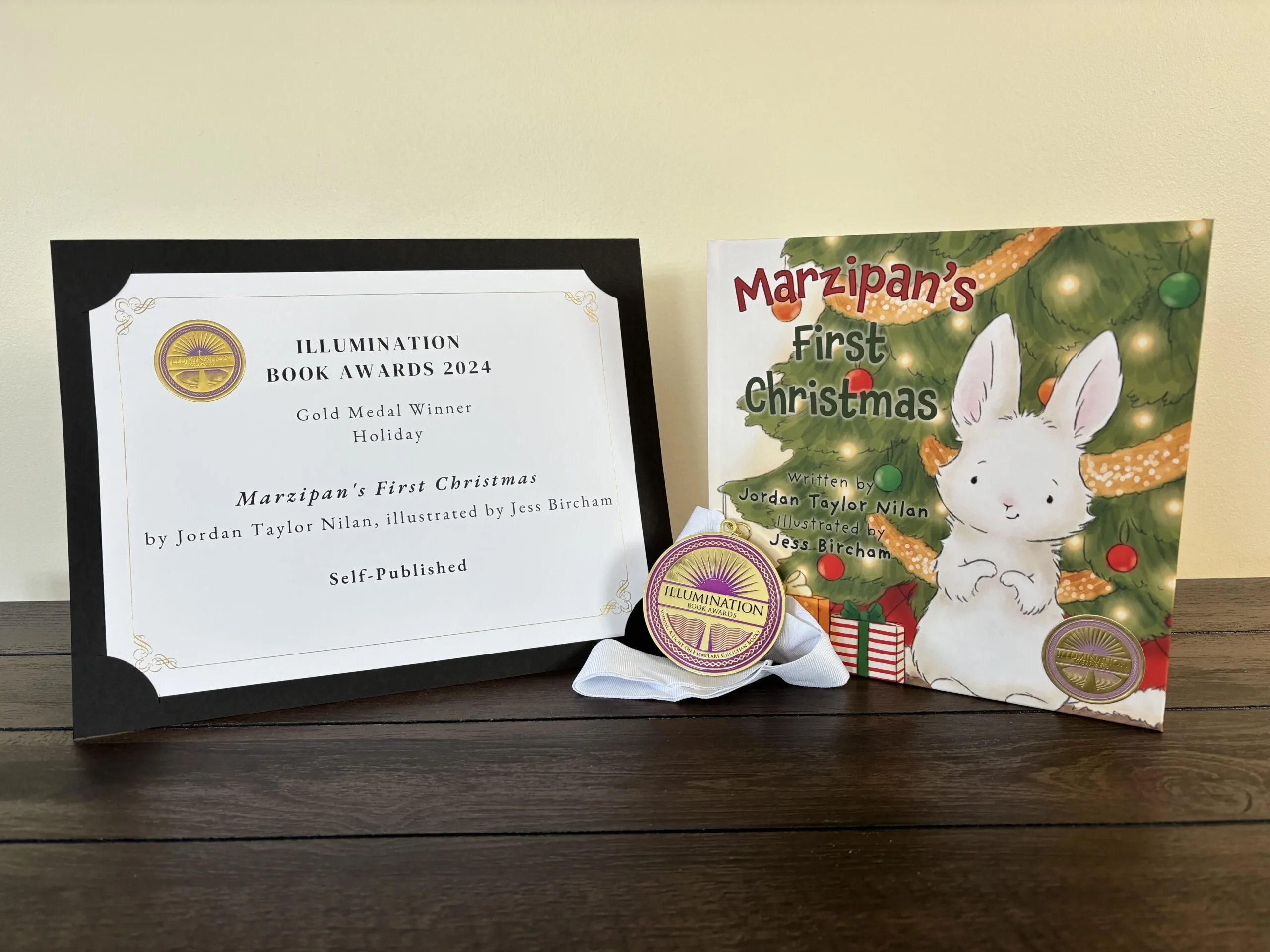
Recognition programs like the Illumination Christian Book Awards highlight books that make a meaningful contribution to Christian publishing. Earning a medal can renew marketing momentum, increase visibility, and open doors to speaking or media opportunities through trusted third-party validation.
Awards are not the goal. Impact is. But thoughtful positioning can help your message reach beyond your immediate circle and build lasting trust with readers.